The best first step into competitive team games. Learn it in a week, play it for a decade, and never spend a pound unless you want a hat.
League of Legends is Riot's free five-against-five strategy game and, by most measures, the most played PC game on earth. Its map is simpler than Dota 2's, its matches are shorter and its onboarding is years ahead. Champions are earned or bought, but a bought champion is not a stronger one, and the shop sells looks, not results.
The four bearings
- N7Newcomer · 20%
A modest download, a clear tutorial and a starting roster that rotates weekly. The Vanguard anti-cheat driver is the one hurdle some players refuse.
- E8.5Every session · 35%
Half-hour matches with a clean rhythm: lane, skirmish, objective, push. Riot's readability means you always know what just happened, even when it was your fault.
- S9Staying power · 25%
Constant seasonal changes, a roster past one hundred and seventy champions, and a competitive scene that fills stadiums. There is always something new to be bad at.
- W8Wallet · 20%
Champions can be earned in play. Skins and the seasonal pass are cosmetic. The shop is busier than Dota 2's, and Riot has raised prices more than once.
Weighted 20 / 35 / 25 / 20 into an Atlas score of 8.2. How the bearings work.
What you are actually doing
Two teams of five choose champions and meet on Summoner's Rift: three lanes, a jungle, a river with objectives in it, and a Nexus at each end. You farm minions for gold, buy items, take down towers and, eventually, the Nexus. A match runs twenty-five to forty minutes. The rules are the same as Dota 2's in outline and simpler in detail: fewer active items, no denying your own minions, a smaller map and clearer roles.
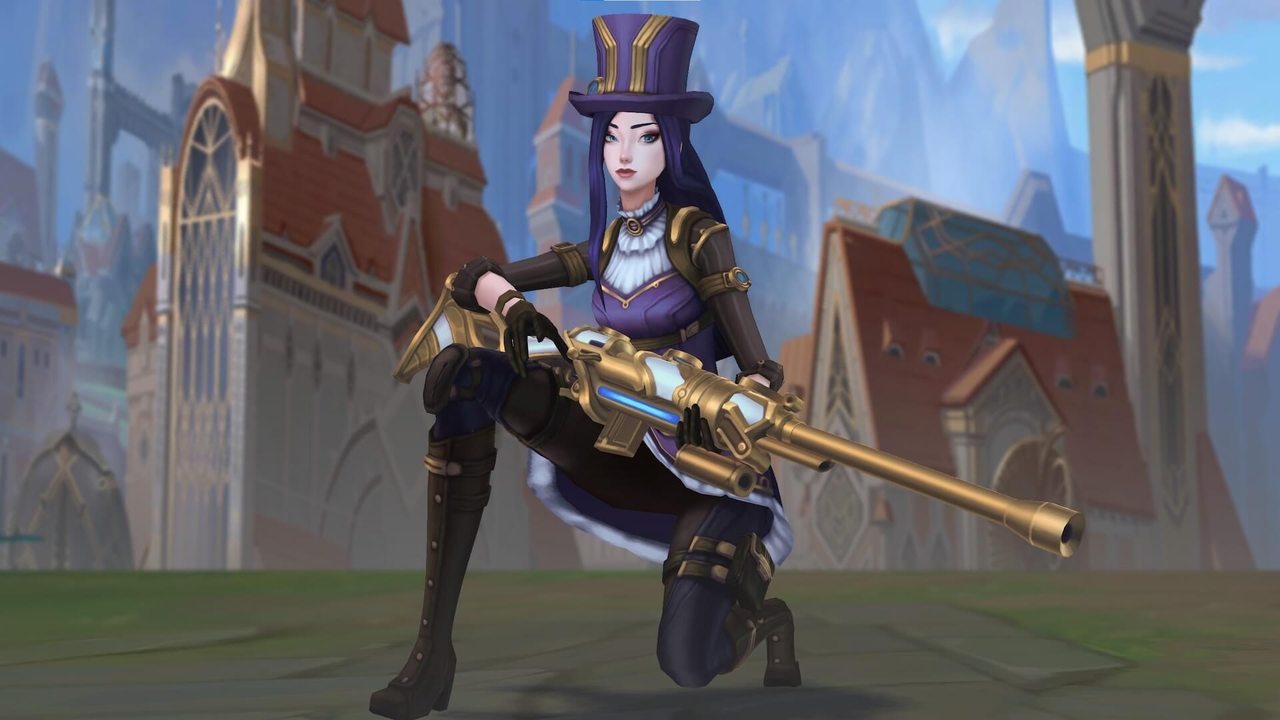
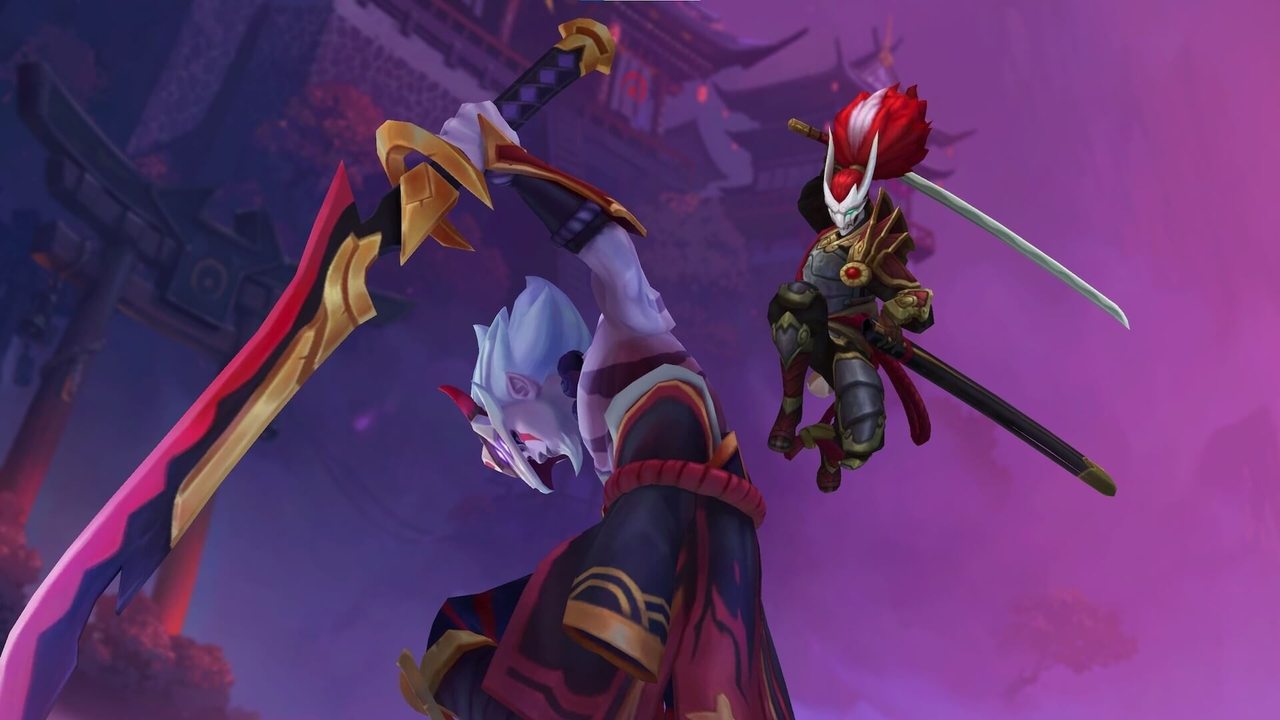
Riot's great skill is legibility. Champions look like what they do, abilities have obvious tells, and the interface tells you where the fight is. That is why a first week in League is a week of losing but rarely a week of confusion.
The first evening, honestly
The tutorial takes twenty minutes and is good. A weekly free rotation of champions and a set of starter champions unlocked with your first levels mean you never lack a character to play, and the co-op-versus-AI queue is a safe place to spend your first ten matches. Ranked unlocks at account level thirty, once you own twenty champions and have played ten draft or Swiftplay games, which takes most people a few weeks. The one real friction is Riot Vanguard, a kernel-level anti-cheat driver required on Windows (Windows 11 also needs TPM 2.0 switched on); macOS players are not asked for it. It works, and most players never notice it, but it is a genuine reason some people stop here.
Why it stays
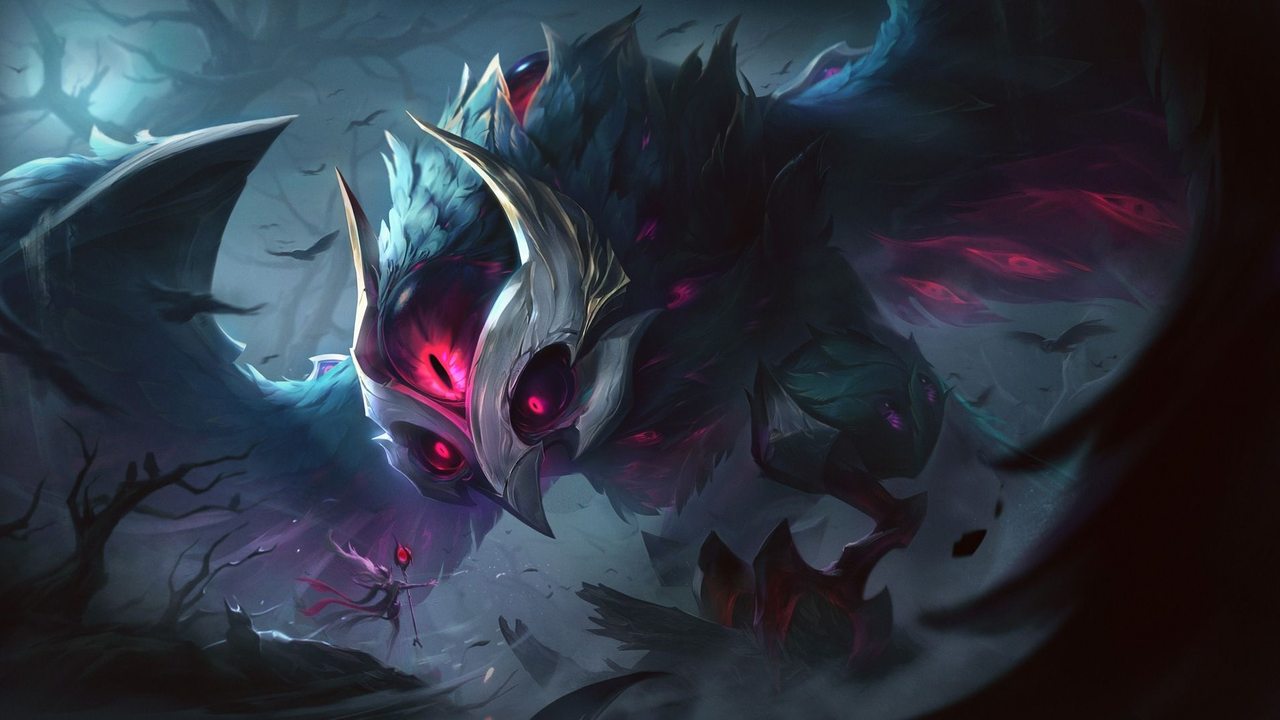
The ranked ladder is the engine. Every season resets the climb and changes enough of the map, the items and the champions to make old habits wrong; the roster reached 173 champions with Locke in June 2026, and July 2026 added League Classic, a permanent mode that brings back old items and the old map. Above that sits a professional scene with world championship finals that draw audiences larger than most sport, and the clips and lessons trickle down to every rank.
Where it shines, where it drags
- The gentlest learning curve in the genre
- Shorter matches than Dota 2 with a clear rhythm
- Enormous player base means instant queues at every level
- Champions can be earned; nothing in the shop affects play
- Riot Vanguard anti-cheat is mandatory on Windows
- The community is large and not always kind; mute early
- Frequent shop events and a seasonal pass invite regular spending
- PC only; the mobile version is a different game
The toll: what it costs in the UK
League of Legends is free to install and free to play. Champions unlock with Blue Essence earned in play, or can be bought with Riot Points. Skins, emotes and a seasonal pass are cosmetic. Riot Points are sold in the client and as prepaid cards in UK shops.
- To install and playFree
- Riot PointsSold in the client and as prepaid cards in UK shops; Riot publishes no public price list
- A championEarnable with Blue Essence from play, or bought with Riot Points
- A skinPriced in Riot Points in the client; limited editions cost far more
- Premium pass1,650 Riot Points per six-week act; a free track runs alongside
Randomised items: Yes, for cosmetics. Hextech chests and capsules give a random cosmetic from a listed pool, and PEGI flags the game for paid random items. Nothing inside affects a match. We would spend Riot Points on the exact skin you want rather than on a chest, and we would skip the top-tier gacha-style skin systems entirely.
Subscriptions and online play: No subscription. Online play is free; there is no offline mode beyond practice tools.
Prices checked 24 September 2026 on the UK stores named above. See Paying for games in the UK for the rights that apply to each payment route.
Who it suits
Anyone curious about competitive team games who wants to be competent quickly, and anyone whose friends already play. If you want the deeper, slower version of the same idea, Dota 2 is waiting. If you want rounds instead of matches, Valorant is the other Riot road.
Where to go next
Start with the League of Legends waypoint for a first evening that goes well. Or compare it directly: Dota 2 or League of LegendsValorant or League of Legends.