Crossing
Valorant or League of Legends
Riot makes both, one account plays both, and most people end up with one. Which Riot game fits your evening?
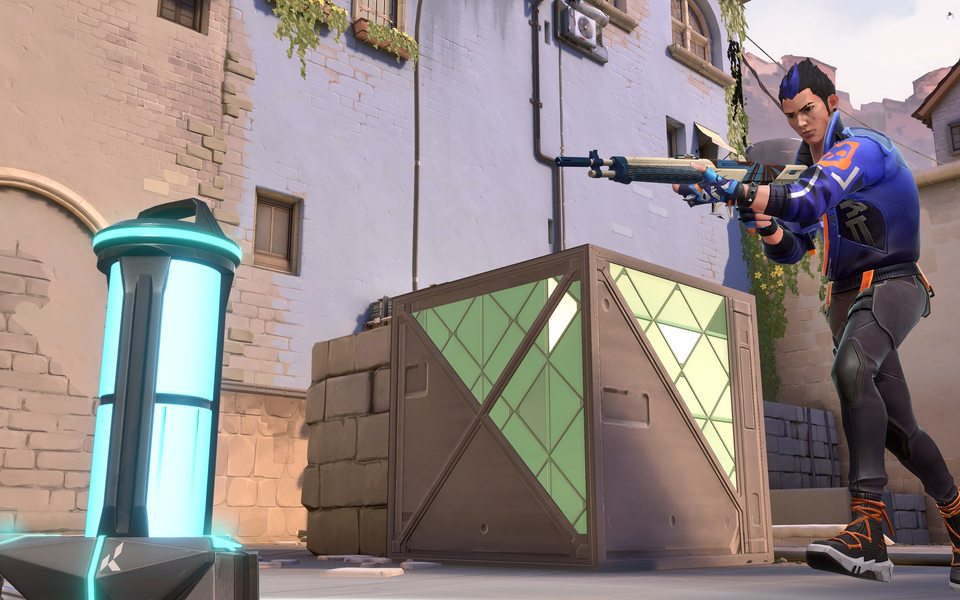

| Bearing | Valorant | League of Legends |
|---|---|---|
| Newcomer | 6.5 · A small download and a decent range mode, but unranked matches put you against people immediately and a tactical shooter has no gentle setting. Vanguard is required on PC. | 7 · A modest download, a clear tutorial and a starting roster that rotates weekly. The Vanguard anti-cheat driver is the one hurdle some players refuse. |
| Every session | 8.5 · Rounds are two minutes of pure tension, and the best of them are unforgettable. Full matches run long, but shorter modes fit a lunch hour. | 8.5 · Half-hour matches with a clean rhythm: lane, skirmish, objective, push. Riot's readability means you always know what just happened, even when it was your fault. |
| Staying power | 8.5 · Seasonal acts, new agents and maps on a reliable cadence, a ranked system that is mostly fair, and a professional circuit worth watching. | 9 · Constant seasonal changes, a roster past one hundred and seventy champions, and a competitive scene that fills stadiums. There is always something new to be bad at. |
| Wallet | 7 · Free forever and nothing sold affects play, but the skin bundles are priced like small games and the shop rotates daily to make you look. | 8 · Champions can be earned in play. Skins and the seasonal pass are cosmetic. The shop is busier than Dota 2's, and Riot has raised prices more than once. |
| Price | Free | Free |
| Platforms | Windows via the Riot Client; PlayStation 5 and Xbox Series X|S | Windows and macOS via the Riot Client |
| PEGI | PEGI 16 | PEGI 12, with a paid random items notice |
| Account | A free Riot account | A free Riot account |
The same company, two very different games
Valorant is a tactical shooter: five against five, rounds of about two minutes, plant or defuse, first to thirteen. League of Legends is a strategy game with a mouse: five against five, one long match of half an hour or more, kill the base. They share Riot's account system, Riot's approach to shops, and Riot's anti-cheat, and almost nothing else.
What the evening looks like
A Valorant session is a stack of short, tense rounds where one good decision or one good shot changes everything. It rewards aim, nerve and communication, and it is brutal on a bad night. A League session is longer and more gradual: you build an advantage over twenty minutes and either convert it or throw it away. It rewards planning, map awareness and patience, and it punishes tilt more slowly but more thoroughly.
If you have half an hour, Valorant fits it better: a match takes roughly forty minutes but the game has shorter modes, and a single round is a complete story. League needs the whole evening; leaving a match early is the one thing its community will not forgive.
The toll
Both are free. Valorant sells weapon skins and a seasonal pass; its skins are expensive by the standards of the chart but change nothing in a match. League sells champions and skins; champions can be earned. Both use Riot Points bought through the client or by prepaid card. Both require the Riot Vanguard anti-cheat driver on Windows, which some players object to; it is the same driver for both games.
Our call
Pick Valorant if you like shooters, short rounds and the feeling of a clutch. Pick League of Legends if you prefer building an advantage over time and would rather out-think an opponent than out-aim them. The Riot account is shared, so trying both costs nothing but an evening.